
Search Utah Marriage License
Utah Marriage License records sit at both the county and state level, so a good search starts by knowing what kind of record you need. County clerks issue the license, record the returned certificate, and keep local files for current and many older marriages. State agencies and archives help with historical searches, public access rules, and certificate verification. This Utah Marriage License guide brings those sources into one place, with county clerk paths, archive options, and practical steps for finding older or newer records without drifting into generic statewide filler.
Utah Marriage License Facts
Utah Marriage License Search
Most Utah Marriage License searches begin with a county clerk. That is the office that issues the license, accepts the completed certificate, and keeps the local record set tied to the wedding. Under Utah Code Title 30, couples obtain a license from a county clerk, and the same county structure remains central when someone later needs to confirm a marriage, order a certified copy, or check where an older record may have gone. That county-first model matters because Utah does not treat every marriage record as a purely state-run file.
That does not mean the state is absent. Utah also has statewide tools that help when a Utah Marriage License search crosses decades or when a person needs guidance rather than a local office counter. The Utah State Archives and Records Service is important for older collections and indexes. The Utah Department of Health and Human Services helps explain certificate verification and directs users to the right custodian for the year involved. Together, those systems make Utah easier to search than many states, but only if you match the request to the right repository.
Use these details before you search:
- Names of both spouses, with alternate spellings if known
- The county where the Utah Marriage License was issued
- The approximate marriage date
- Whether you need a license record, certificate, or historical index entry
A short list like that saves time. It also helps when the same couple may appear in county files, archive indexes, and later certificate systems.
Utah Marriage License Offices
County clerks remain the front line for current Utah Marriage License work. The Utah County Clerk Association explains that county clerks serve as the primary custodians of marriage records at the local level, and that fits what users see in practice across Salt Lake, Utah, Weber, Davis, and the smaller counties as well. A person applying now will usually work with a county clerk office. A person looking backward often starts there too, especially when the marriage is newer and still tied closely to local files.
A linked view of the state portal helps show that structure. The Utah County Clerk Association gives useful statewide context for how clerk offices handle recordkeeping, while county pages in this site narrow that down to local steps and office paths. That split is useful because a Utah Marriage License request can mean several different things: applying for a new license, confirming a recent marriage, tracing an older register entry, or locating a public record that is old enough to inspect without restricted access concerns.
The Utah official vital records ordering portal shows how state ordering fits into that picture.
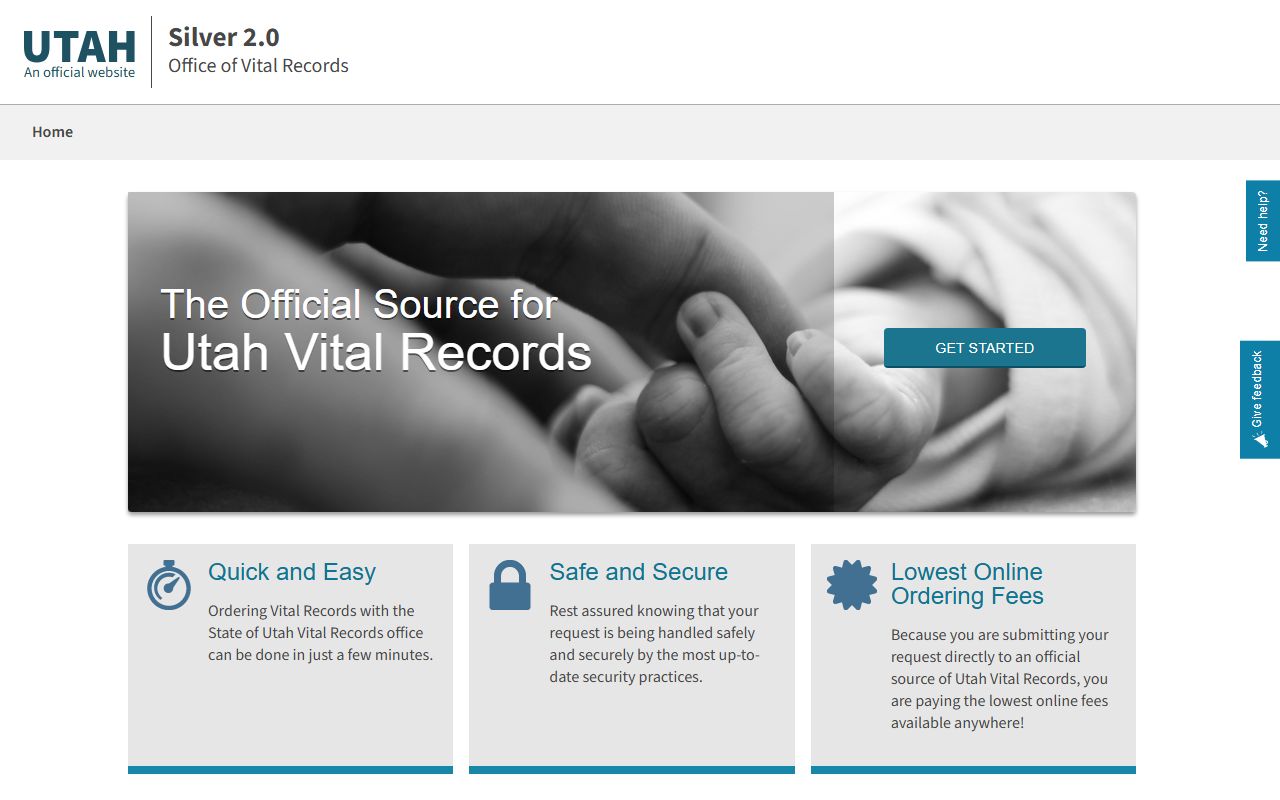
That portal is helpful when a Utah Marriage License search turns into a certificate request, but county clerk files still matter because the county is the original issuing office.
The Utah Department of Health and Human Services also explains which years and record types are handled through state systems and which ones should be directed back to a local clerk.
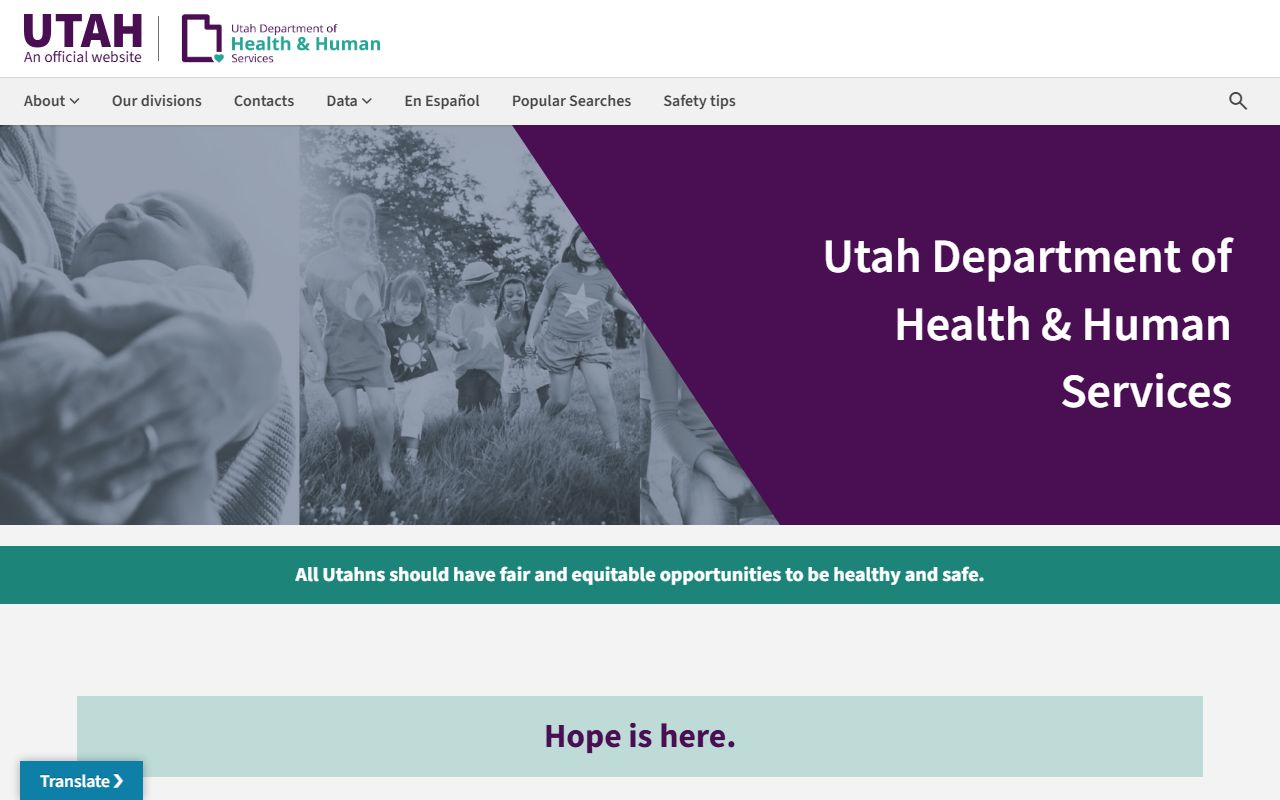
That distinction matters when a request is rejected at one office but accepted at another. Often the issue is not eligibility. It is simply the wrong custodian.
Historical Utah Marriage License Records
Older Utah Marriage License records require more context. Civil registration was not required until 1887 under the Edmunds-Tucker Act, so pre-1887 marriages may appear in probate court material, justice court records, church files, or local journals rather than in the cleaner county clerk series people expect today. Once registration became routine, county marriage records from 1887 forward were generally kept in probate court offices first and then county clerk offices. That is why historical searching in Utah often means moving between county and archive sources instead of assuming one universal database will do the job.
The Utah State Archives research page is one of the strongest entry points for older Utah Marriage License work because it offers catalog searching, name indexes, digital collections, and series-based searching.
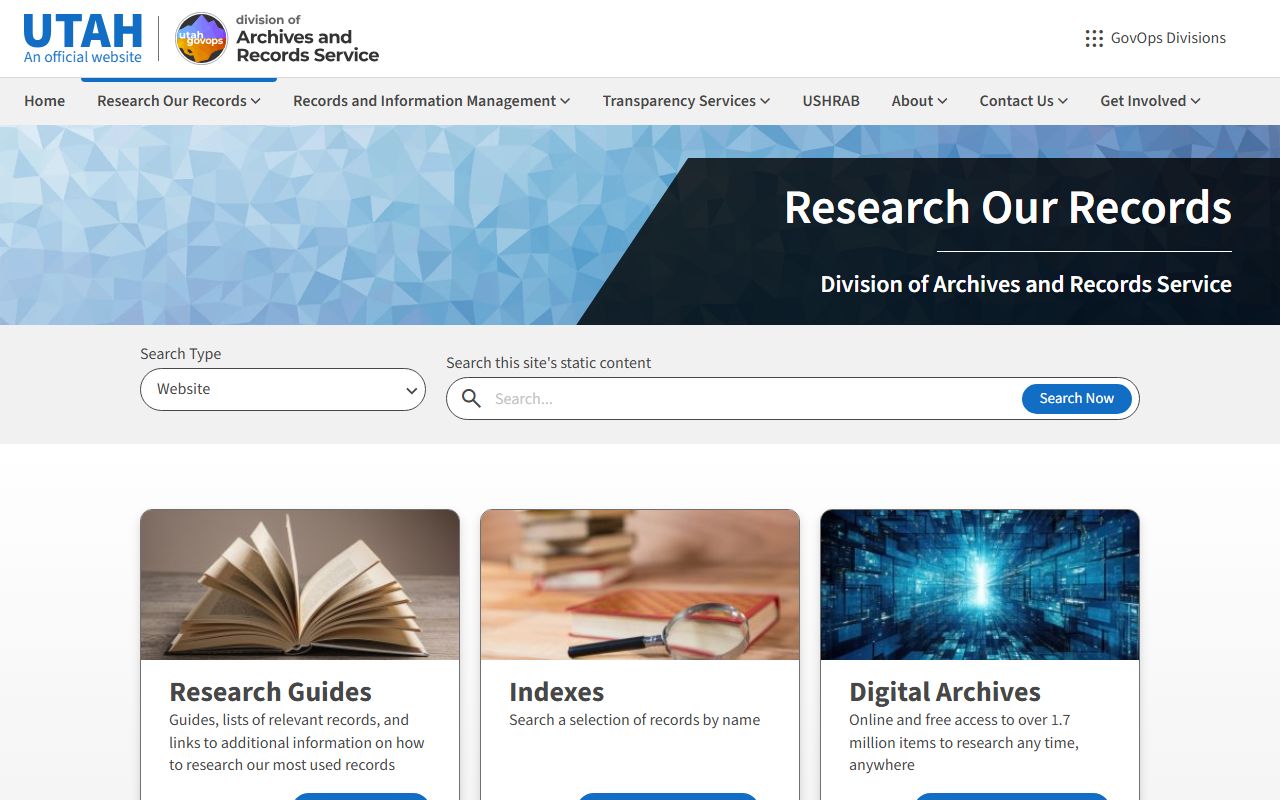
The archives system is especially helpful when a county page points to a historical series but the local clerk office is focused on current service rather than deep archival retrieval.
FamilySearch's Utah marriage database adds another layer for people tracing names from the 1887 to 1935 range and beyond through linked collections.
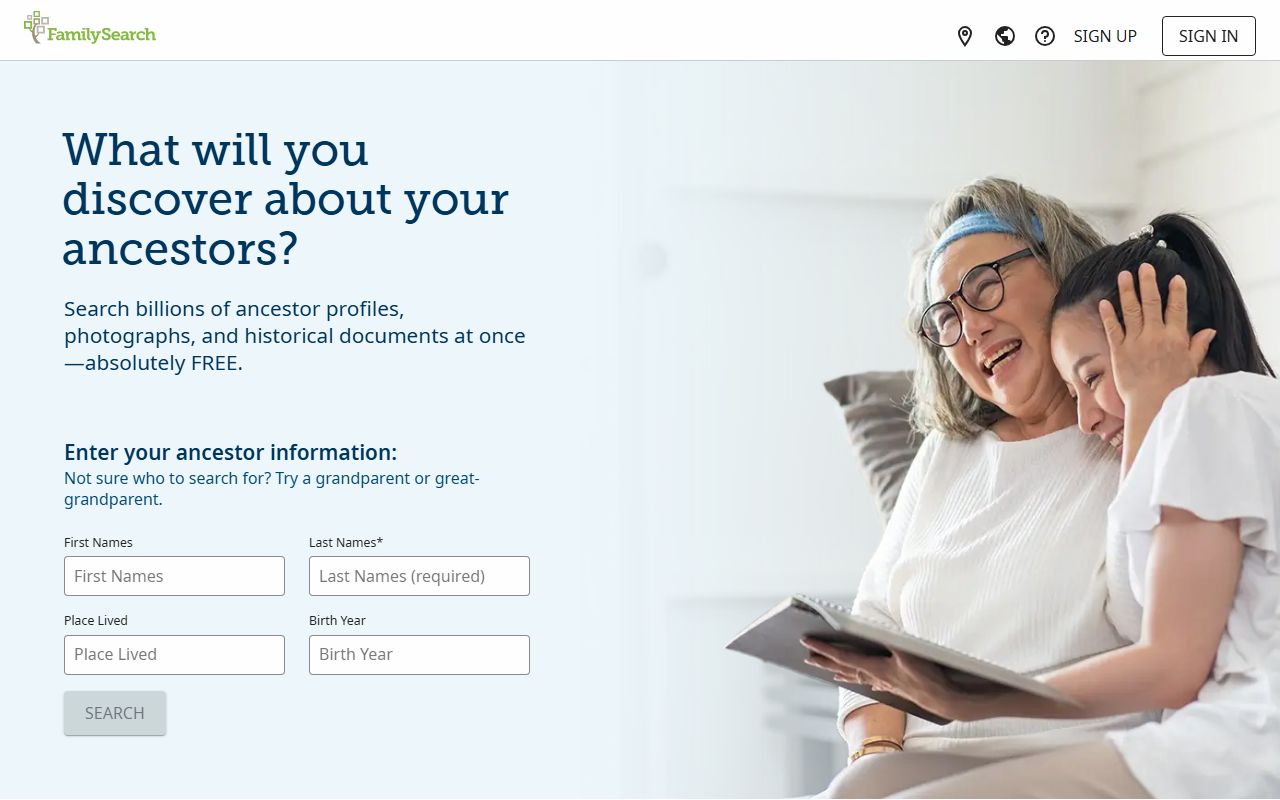
That tool is not the same as a certified county record, but it can help confirm dates, counties, and spellings before a formal copy request goes out.
BYU-Idaho's Western States Marriage Index extends that search trail for Utah Marriage License research that reaches across county lines or earlier Western records.
Researchers often use it as a lead finder. Then they move back to the county clerk or archives for the record that carries the formal Utah connection.
Utah Marriage License Rules
Utah law shapes how a Utah Marriage License is issued, used, and recorded. The state legislature provides the controlling text at the Utah State Legislature website. In plain terms, Utah Code Section 30-1-4 requires the parties to obtain a marriage license from the county clerk. Section 30-1-10 explains that the license can be used at once and expires 32 days after issuance if it is not used. Section 30-1-8 requires the completed marriage record to be returned to the issuing clerk within 30 days. Section 30-1-15 states that marriage records maintained by county clerks are public records subject to inspection and copying.
Those rules are not abstract. They explain why county pages across this site talk about county issuance even when a marriage ceremony may happen somewhere else in Utah. They also explain why a Utah Marriage License search should distinguish between the moment a license is issued, the later return of the certificate, and the question of whether the record is old enough or open enough for public inspection. If a person only knows that a marriage happened in Utah, the best search step is usually to narrow the county before making the request.
The Utah Courts website provides useful legal background for age-related and procedural marriage questions that intersect with court oversight.
It is not the main record repository for routine county license files, but it is a reliable official source when a Utah Marriage License issue touches legal prerequisites or the broader statutory framework.
For people who need to read the legal language more closely, the Utah State Law Library is a practical support source. It helps users understand how the statute works without turning every record request into a formal legal research project.
Utah Marriage License Archives
Archive work is often where Utah becomes more useful than people expect. The state does not just preserve county series. It also provides supporting collections that help fill in context around a Utah Marriage License record. Historical society material can explain changes in practice before and after statehood. Digitized newspapers can surface marriage notices that confirm a date or place. Government publications can show statewide marriage trends when a user is trying to understand whether a missing record is due to jurisdiction, timing, or recordkeeping gaps rather than an outright absence of the marriage.
The Utah Historical Society offers background on the territorial and early statehood record environment.
That context helps when a Utah Marriage License search reaches into the era before uniform civil registration and a clerk file may not be the only meaningful source.
Utah Digital Newspapers can support a Utah Marriage License search with announcements and notices published near the event date.
Newspapers do not replace the official record, but they can confirm names, dates, and communities. That is often enough to move a stalled county request forward.
The Utah Genealogical Association adds research guidance that can help users move from broad searching to specific county series.
For family history work, that kind of direction can be as useful as the record itself because it trims down false leads.
Public Utah Marriage License Access
Public access is one of the most important parts of a Utah Marriage License search. Utah Code Section 30-1-15 states that marriage records maintained by county clerks are public records subject to inspection and copying. At the same time, some certificate systems have age thresholds or eligibility screens, especially when a person wants a certified copy rather than simple record information. The research from Utah DHHS and the state ordering portal points to that distinction. A person may be able to inspect or trace a record historically while still facing a narrower eligibility path for a recent certified certificate.
The Utah State Archives marriage guide and the state's vital records materials are the safest references when you need to separate public inspection rules from certified-copy eligibility. Those official sources explain why a historical search may be broader than a recent certificate request and why county clerk records and state-issued certificates can follow different access paths.
That official state guidance is the better way to frame the practical difference between public inspection and certified access for a Utah Marriage License request.
Another useful point is that a Utah Marriage License issued in one county is valid statewide. That comes up often when users assume the place of ceremony controls the record search. Usually the issuing county matters first. The returned certificate goes back to that issuing clerk, which is why county pages in this site focus on the clerk office rather than wedding venues or city offices.
Utah Marriage License Research Tools
Not every Utah Marriage License search ends with a clerk counter visit. Some people need supporting data, older reports, or a way to compare county practices over time. The Utah Government Digital Library provides access to government publications and historical statistics that can support broader research.
That resource is useful when the task is less about one certificate and more about understanding the record system that produced it.
The county clerk association site also helps connect the statewide system back to local offices.
It reinforces a core point that appears across Utah: the county clerk is still the key local record steward for most Utah Marriage License tasks.
If you are building a search plan, start with the likely county, confirm the year, then decide whether you need a local record, a state certificate path, or an archives index. That order keeps the search grounded. It also keeps the Utah Marriage License request tied to the office that can actually answer it.
Note: Older marriages may appear in archive indexes, newspaper notices, and local clerk files at the same time, so it often helps to compare more than one official or high-authority source before requesting a copy.
Browse Utah Marriage License Counties
County clerks issue and record the Utah Marriage License, so county pages are the fastest way to narrow a search. Start with the county most closely tied to the license issuance.
Utah Marriage License Cities
City pages point residents back to the correct county clerk while keeping local context in view. Use them when you know the city but not the county office details.