
Search Utah County Marriage License
If you need a Utah County marriage license, start with the County Clerk/Auditor because that office issues the license and keeps the official record trail. Utah County is the second most populous county in Utah, with Provo as the county seat and Brigham Young University at the center of the area. For recent applications, the county's online system is the fastest place to begin. For older marriages, the State Archives and FamilySearch help bridge the gap between the county clerk's records and earlier index coverage.
Utah County Quick Facts
Utah County Marriage License Office
The Utah County homepage is the best starting point when you want current marriage license information from the county clerk. Utah County's Clerk/Auditor issues marriage licenses and maintains the official records that follow the ceremony. That office also helped pioneer the fully online marriage license and wedding system, which was the first of its kind and lets couples and officiants complete much of the process remotely and sign digitally.
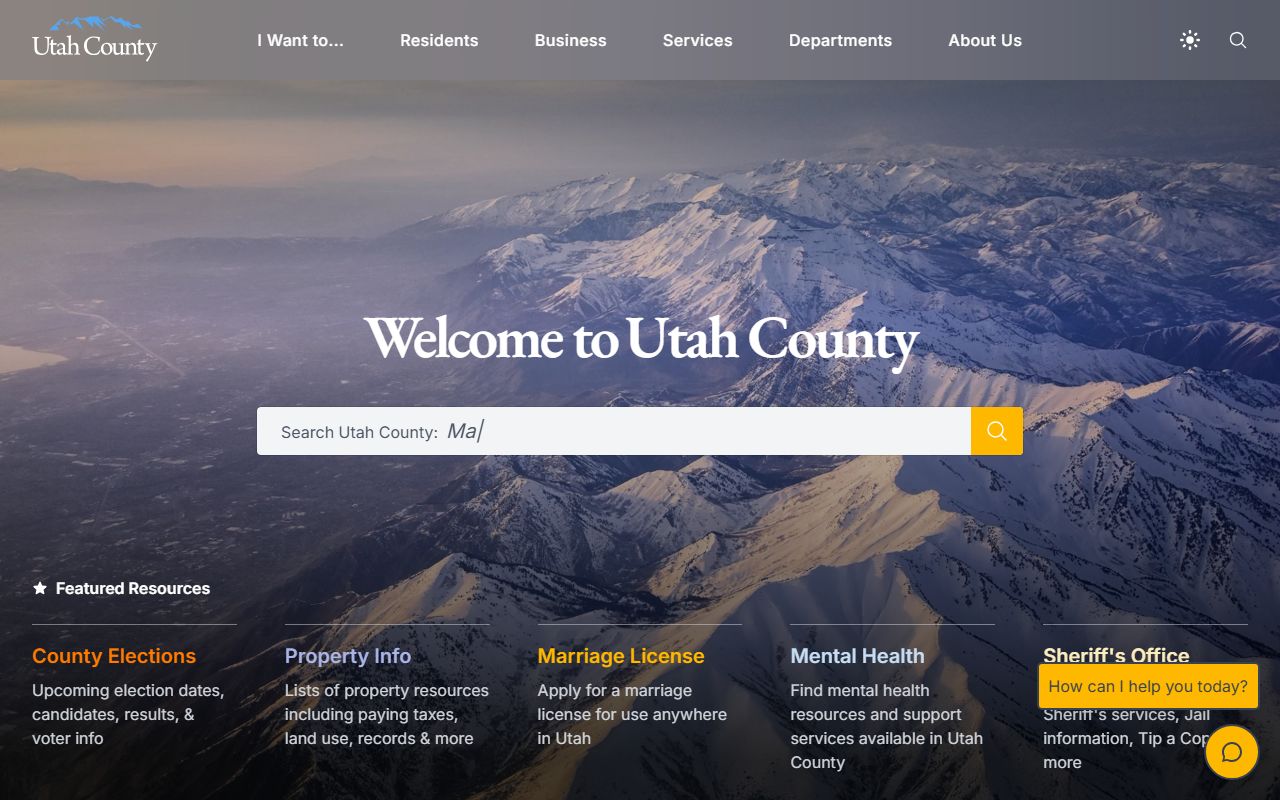
Because Utah County serves a large and growing population, the office has become a common reference point for people searching for a marriage license in Utah. The county seat is Provo, but the county clerk is the source for the license itself. If you are looking for a modern filing, a digital workflow, or the official county record after a wedding, the Clerk/Auditor is the office that ties those pieces together.
Apply for a Marriage License
Utah County follows the statewide marriage rules in Utah Code Title 30. A marriage license comes from the county clerk before the marriage is solemnized, and the finished record is returned to the issuing office after the ceremony. That statewide framework is the reason a Utah County marriage license can be used for a wedding anywhere in Utah, not just in one city. The county's online system simply makes the process easier to start and easier to track.
When you apply, the clerk may ask for information that identifies both people clearly and connects the application to the later record. Utah law also limits how long the license stays valid, so it is worth checking dates before the ceremony is scheduled. Utah County's digital system helps reduce extra visits, but the application still has to contain accurate information so the completed record can be filed correctly.
Helpful details to have ready include:
- Full legal names for both applicants
- Current addresses and contact information
- Dates and places of birth
- Names of parents and, when needed, birthplaces
- Prior marriage information if it applies
- Government ID and any other information the clerk requests
For a current marriage license search, the key point is that Utah County's Clerk/Auditor is both the issuing office and the record keeper. That is why the online application, the marriage certificate return, and the final county record all point back to the same place. In the marriage-license roadmap commonly cited through Utah Code sections 30-1-4, 30-1-8, and 30-1-10, the clerk issues the license, the application gathers the required details, and the license expires if it is not used within the statutory window.
Provo Marriage License Help
The Provo city website is useful because Provo is the county seat and the city most people associate with Utah County government. Residents often start there even though the city does not issue the marriage license itself. Provo's own recorder office keeps city records, while the county clerk handles the marriage license trail. That division matters when you are trying to figure out whether your record belongs at the city level or at the county level.
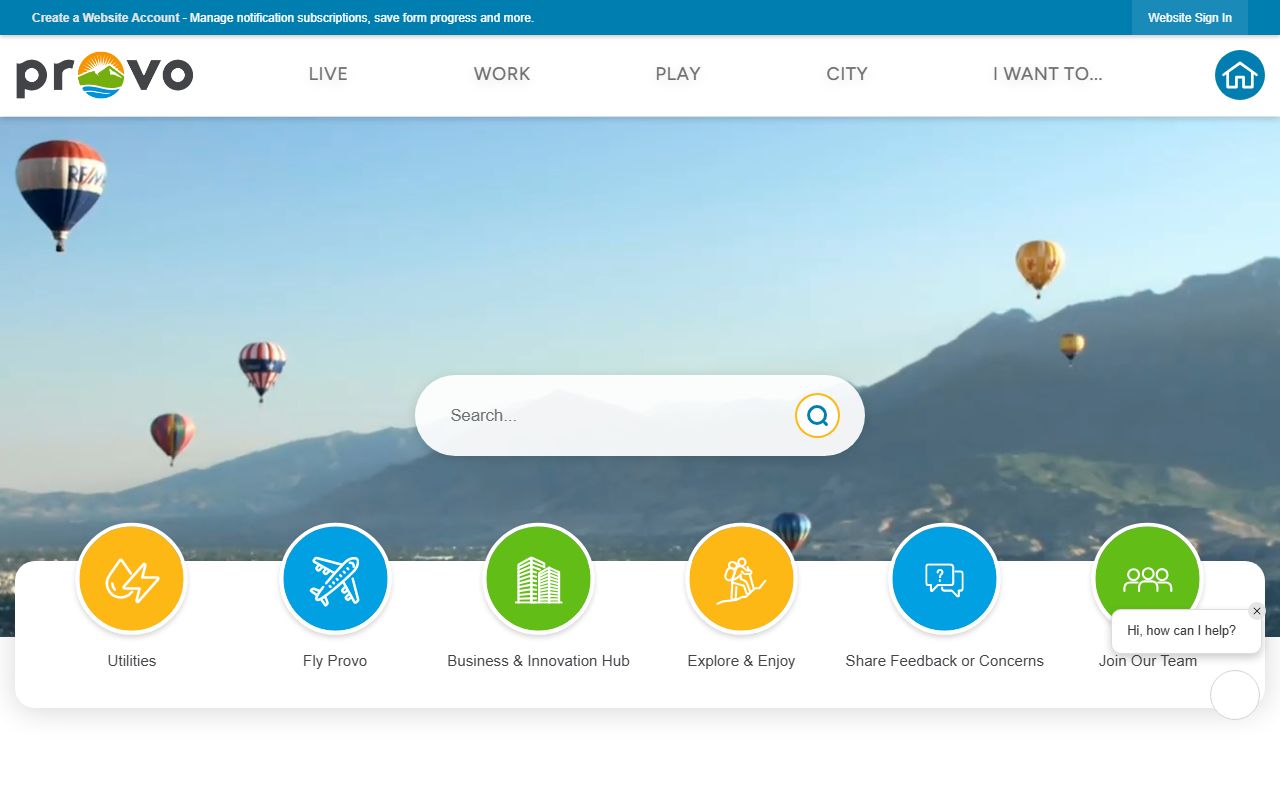
This is especially helpful for couples who live, work, or marry in Provo and want the fastest route to the right office. The city site can point you to local government contacts, but the marriage license itself still belongs with Utah County. If you are comparing where to apply, where to inspect a file, and where to request a copy, keep that line clear: city records stay with the city, while marriage licenses and the resulting marriage records stay with the county.
Historic Utah County Records
The Utah State Archives Utah County collection is the best place to look when you need older marriage records that are no longer just sitting on a clerk's active desk. Utah marriage records before 1887 were often religious or court-based rather than civil, so a search may lead you into church sources, probate material, or other court records before you ever reach a modern county marriage file. From 1887 forward, county clerk offices and the Utah State Archives become the main places to look.
Utah County's historical coverage is especially useful because the archives provide index material for the 1860-1940 period, and FamilySearch adds a broad marriage database for the county. That combination gives you multiple ways to search the same family line. One source may show the index entry, another may show a digitized image, and a third may point you toward the clerk's office for the modern record if the marriage is recent enough.
FamilySearch is also helpful when a search starts with a surname rather than a specific date. The Utah County coverage there can connect you to marriage entries from the late nineteenth and early twentieth centuries, which is often enough to confirm the bride and groom, the date, and the county where the record was created. For genealogists, that is the bridge between a name on a family tree and the actual county record trail.
What Utah County Records Show
Marriage records in Utah County are more than a simple yes or no confirmation. Under Utah Code Title 30, the marriage paperwork, certificate return, and record access rules work together so the county can preserve the file and the public can inspect it when allowed. Utah Code section 30-1-15 is the public-record rule most people care about when they need to view or copy the county record. That matters for both legal proof and family history.
A Utah County marriage record typically gives you enough detail to identify the couple and the filing event. Depending on the year, the form may be brief or more detailed, but the record trail usually stays consistent enough to trace. The county clerk's office, the archives, and FamilySearch all use that structure in slightly different ways, so a search can move from a recent digital entry to an older paper file without losing the names that connect the record.
A Utah County marriage record may show:
- Names of the bride and groom
- Date the license was issued or the marriage was recorded
- County and sometimes residence information
- Birth dates or ages, depending on the period
- Parents' names in some records
- Officiant and witness information when available
Those details are often enough to connect a marriage license to a later certificate, a court file, or a genealogy source. If you only need a quick match, the index may be enough. If you need proof for a name change, estate matter, or other legal use, the certified copy from the county clerk is usually the better target because it comes from the office that actually holds the official record.
Find Utah County Records
If you are searching for a current Utah County marriage license, begin with the Utah County Clerk/Auditor. If the marriage is older, move outward to the Utah State Archives and FamilySearch. Those three sources cover the active office, the historical index trail, and the family-history copy that often helps you confirm the right couple before you ask the clerk for a certified record.
For statewide context, the Utah County Clerk Association explains the clerk's role in maintaining county records, and the Utah vital records portal can help when you need recent certified certificates rather than the original county file. Utah County's own process is still the best starting point because the county clerk issues the marriage license, receives the returned record, and keeps the official file. That makes the office the natural center of a Utah County marriage license search from start to finish.