
Rich County Marriage License Records
Rich County sits in northeastern Utah, with Randolph as the county seat and the county clerk as the office that handles the Marriage License trail from application through return. Because Rich County is Utah's smallest county by population, the clearest place to begin is the clerk office and the county homepage, not a general search engine result or an unrelated county department. The county homepage, the clerk page, the Utah State Archives, and FamilySearch are the official or high-authority sources that help you sort out a current record request, a historical lookup, or a family-history lead that points back to Rich County. Keeping the search tied to the county office matters even more in a small county, where one official path is usually better than several guesses.
Rich County Quick Facts
Rich County Marriage License Office
The Rich County clerk page is the place to start when you need the county Marriage License office path. The clerk is the office that issues the license, receives the returned certificate, and keeps the county record available afterward. That is why the county clerk matters more than a city page or a general contact page. The marriage record belongs to the county, and the clerk office is the county office that controls the file from start to finish.
See the Rich County homepage screenshot below, which shows the broader county entry point for marriage record research.
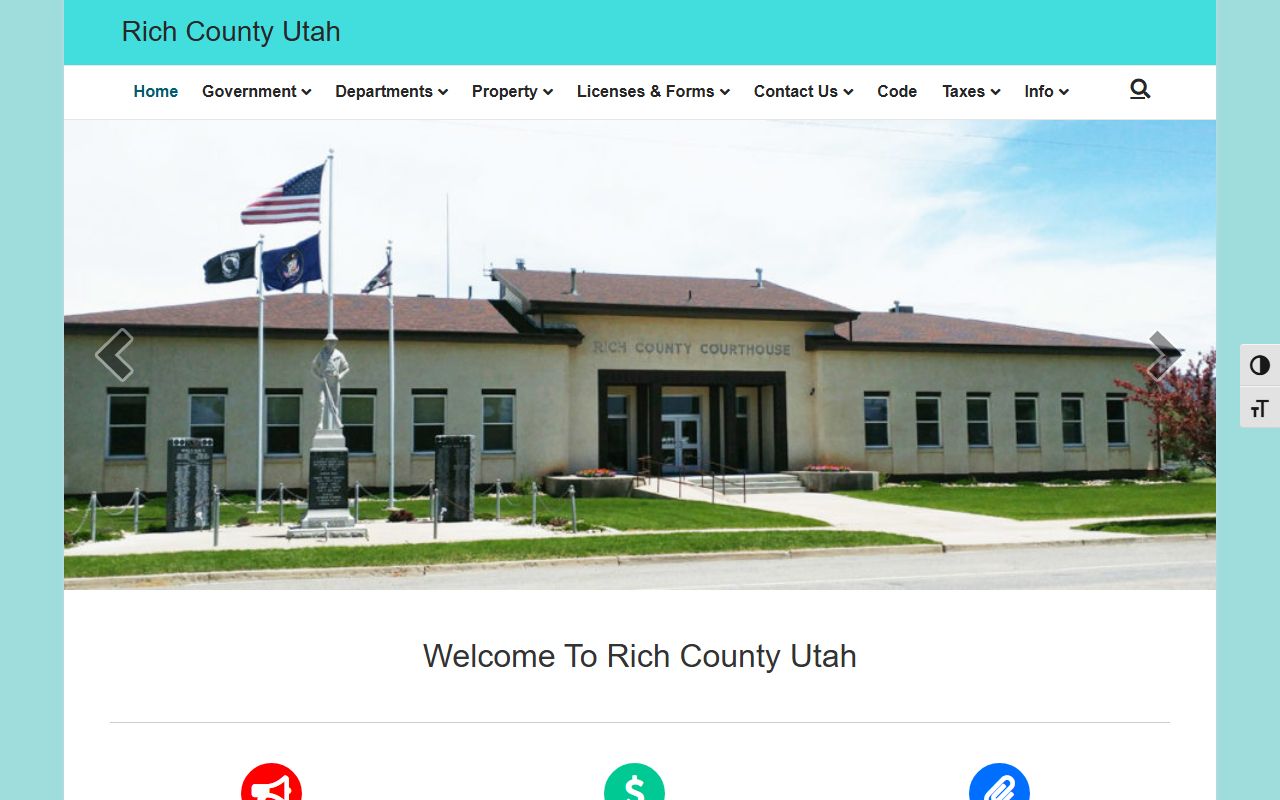
That homepage is useful because it keeps the Marriage License search connected to the county's own navigation, which is especially helpful when you are trying to find the clerk office in a small county government site.
Randolph is the county seat, but the record trail still runs through the county clerk. If you already know the couple's names and a rough date, the clerk office is the place that can tie those details to the official county file. In a county with the smallest population in Utah, the clerk page is usually the cleanest way to separate a real office path from a search result that only looks official.
| Office | Rich County Clerk |
|---|---|
| County Seat | Randolph |
| Region | Northeastern Utah |
| Population Note | Utah's smallest county by population |
| Website | richcountyut.org/clerk |
Rich County Marriage License Application
A Rich County Marriage License begins with the county clerk and the application details that need to match the eventual record. Utah Code section 30-1-4 places the license with the county clerk, and section 30-1-8 ties the application to the returned certificate. That means the county office is not just processing paperwork. It is creating the file that later requests depend on, whether you are working on a recent marriage or a historical search.
The timing rules are just as important. Section 30-1-10 gives the license a 32-day validity window, and section 30-1-8 requires the completed certificate to be returned within 30 days after the ceremony. Those rules matter when you are trying to decide whether the record should already be back with the county or whether you are still looking too early. In a small county, the record path may be simple, but the deadlines still determine whether the file is ready to be found.
The best way to work the application side is to gather the full legal names, an approximate ceremony date, and the county before you contact the clerk. That keeps the search anchored to the correct record and lowers the chance that a misspelled name or an uncertain date sends you off in the wrong direction. For Rich County, a precise application clue is usually the fastest route to the actual Marriage License entry.
Rich County Marriage License Rules
Utah's marriage statutes give Rich County the legal framework for issuing and preserving the record. Section 30-1-4 places the license with the county clerk. Section 30-1-8 covers the application and the return of the completed certificate. Section 30-1-10 sets the 32-day validity period. Section 30-1-15 makes county marriage records public records that may be inspected and copied.
Those rules explain why the clerk office is both the issuing office and the record office. The clerk begins with the application, the ceremony happens while the license is valid, and the returned certificate closes the file. Once Rich County receives the return, the county keeps the marriage record in a form that can later support a certified copy request, a legal verification, or a genealogy search. If you are checking a recent Marriage License, those deadlines also tell you whether the county should already have the completed record.
See the Rich County clerk page for the office-level Marriage License entry point, even if the homepage is the first page you use to orient yourself. The homepage tells you where you are in county government, and the clerk page tells you which office actually handles the record. Keeping those roles separate is useful when you need a certified copy, a historical reference, or a simple confirmation that the license return has already been filed.
Rich County Marriage License Records
Rich County marriage records belong with the county clerk, and that makes the office the primary source for both current files and older copies. If the marriage is recent, the clerk is the office that should have the best information on where the returned record sits. If the marriage is older, the same county office still anchors the search, but you may need to work backward through the archives and FamilySearch to find a name spelling, a date range, or an index entry that points you to the right request.
The county homepage is also important because it keeps the search rooted in Rich County's own structure. People often start with a search engine and then have to determine whether they are looking at the right government office. Starting from the county homepage avoids that detour and keeps the Marriage License search connected to the clerk, which is the office that actually controls the record trail.
Because Rich County is so small, the record trail can feel especially direct once you have the right names. That does not mean the first result will be the right result. FamilySearch can help you confirm a likely spouse, a place name, or a date window before you ask the county for a copy. That extra step often saves time and helps you request the correct county record on the first try.
Historical Rich County Records
Older Rich County marriage research belongs with the Utah State Archives page for the county, especially when the record is no longer part of a fresh clerk lookup or when the only clue is a surname and an approximate year. The archives page at archives.utah.gov/research/county-records/rich is the official county historical link in the research set, and it helps you understand the older government record trail before you make a request. In a county with a small population, that can be the fastest way to decide whether the clerk, the archives, or FamilySearch is the right next step.
See the Rich County State Archives guide screenshot below for the historical county record trail.
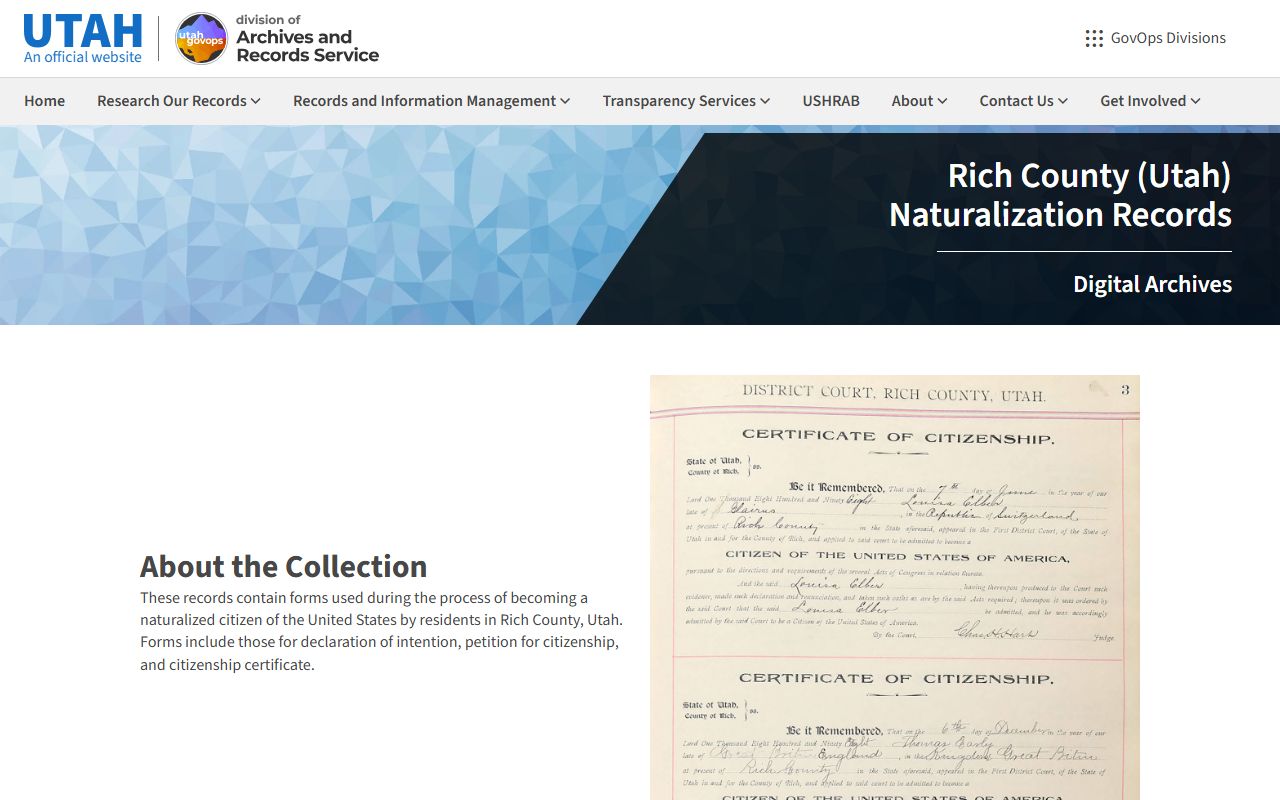
That archival view is useful because it shows the broader county record trail alongside the clerk office, which helps when you are trying to separate an older historical reference from a current records request.
FamilySearch can also support the Rich County search when you need a quick index check before asking the county for a copy. It may give you the spelling, year range, or family connection that turns an uncertain lead into a manageable county request. The clerk still owns the official marriage record, but FamilySearch can reduce the guesswork before you reach out. That combination is often the most efficient way to move from a vague family story to a verified county entry.
More Rich County Marriage License Help
If a Rich County Marriage License search expands beyond a single certificate, the county clerk should stay at the center of the workflow. The clerk issues the license, receives the returned certificate, and preserves the county marriage record. The county homepage and the archives page are the next best official sources when you need to confirm the office role, understand the record trail, or look for older material before asking for a copy.
The simplest Rich County plan is to use the clerk for the live file, the archives for the historical guide, and FamilySearch when you need another high-authority index to confirm a name or date. If you are checking the legal timing, the Utah Code sections above are the authoritative rules. If you are checking where the file lives, the county clerk is the answer. Keeping those roles separate makes the search faster and prevents unnecessary backtracking in a county where a direct request should usually be enough.
Rich County Clerk | Rich County Homepage | Utah State Archives | FamilySearch