
Iron County Marriage License Records
Iron County sits in southwestern Utah, where Cedar City is the largest city and Parowan is the county seat and clerk location. If you need a Marriage License record, the best first step is still the county clerk because that office issues the license, keeps the local file, and points you toward older records when the search moves into historical territory. This page pulls the official county clerk page, the county homepage, Cedar City context, and the Utah State Archives together so you can decide whether you need a live application source, a copy, or a historical reference. The goal is simple: start with the county office that actually holds the record trail.
Iron County Quick Facts
Where to Start with Iron County Marriage License Records
The Iron County Clerk page is the cleanest starting point for a Marriage License search because the office handles marriages, business licenses, elections, passports, and other county services from one place. Iron County's current clerk page also makes one thing explicit: the clerk is not the Clerk of the Courts. That distinction matters if you are trying to separate a county marriage file from a court record or a property document. For a new license, the clerk office is the right office, and for an older record, the clerk is still the first person to ask where the trail continues.
The official contact block on the Iron County clerk page lists the office in Parowan at 68 S 100 E, PO Box 429, with weekday hours and a county phone number. The page also links directly to the marriage license service area, so you do not have to guess whether you are in the right department. If you want the current county source first, use ironcounty.net/clerk. That link is the best live reference for office details before you visit or call.
One reason this matters is that Iron County is a large southwestern county with different search habits depending on whether the person lived near Cedar City, Parowan, or the rural parts of the county. The clerk office gives you a consistent starting point regardless of where the couple lived. The county makes its records path easier to follow by keeping the marriage function inside the clerk office rather than scattering it across unrelated departments.
The official Iron County clerk page at ironcounty.net/clerk shows the current office contact block and the marriage-service link in one place.
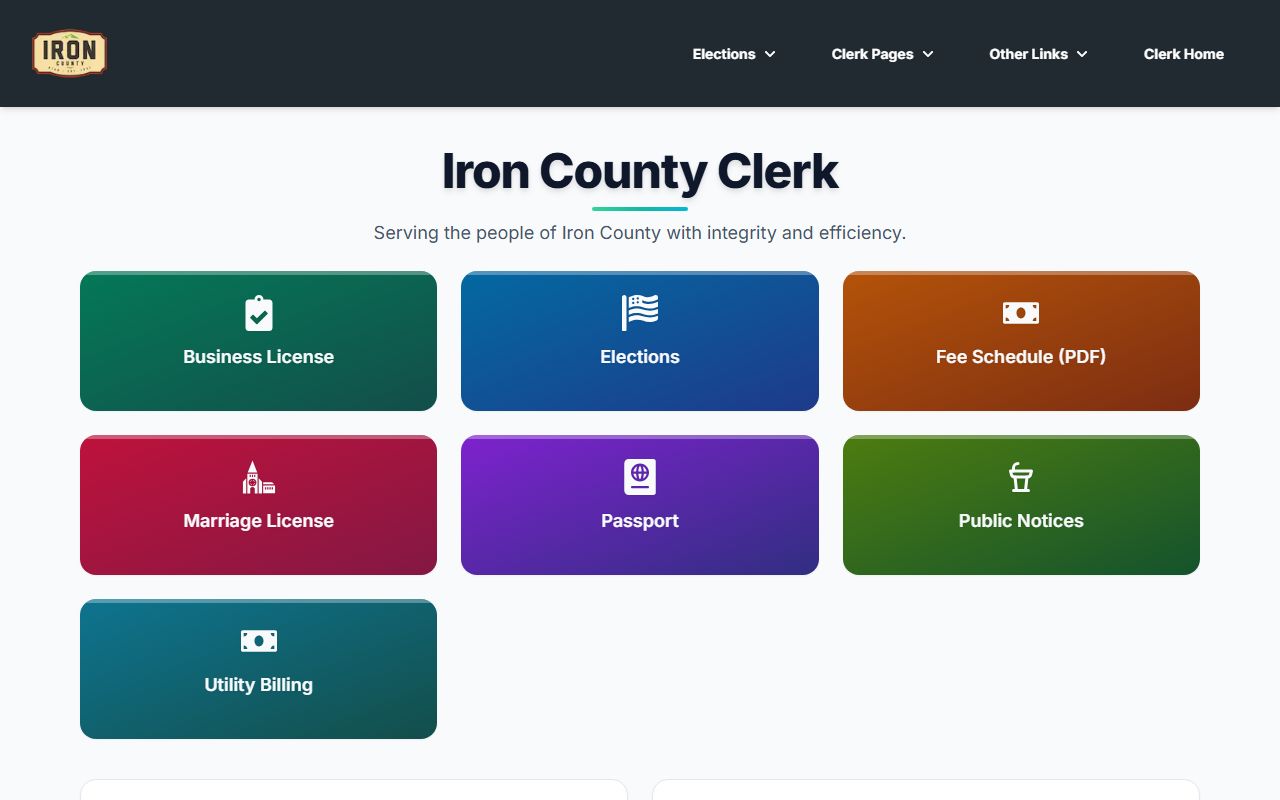
That screenshot is useful because it confirms the county office, the marriage service category, and the fact that the clerk is the right source for a current Iron County Marriage License question.
| Office | Iron County Clerk |
|---|---|
| Location | 68 S 100 E Parowan, Utah 84761 |
| Hours | Monday through Thursday, 8:00 A.M. to 5:00 P.M. Friday, 8:00 A.M. to 12:00 P.M. |
| Phone | 435-477-8340 |
| Website | ironcounty.net/clerk |
Iron County Marriage License Application Steps
Utah law frames the county application process, and the relevant starting point is Utah Code 30-1-4, which puts the marriage license with the county clerk. That is why the Iron County clerk office is the place to bring the actual application, not the city office or a court counter. The license begins at the county level, and the returned certificate comes back through the same county record trail.
For a practical visit, the clerk needs enough identifying detail to connect the application to the finished record. The exact list can vary by situation, but the core idea is the same everywhere in Utah: the office wants the right names, the right date, and the right identities before it issues the license. That is what keeps the file usable later if someone asks for a copy, a search, or a historical reference.
Utah Code 30-1-8 is the section that ties the application to the returned marriage certificate after the ceremony. In plain terms, the county is not just handing out paper. It is creating a record that has to be completed and returned correctly so the file remains useful to the clerk and to the public record system. That is why a good Marriage License search starts with the office that issued it.
Before you go, gather the essentials the clerk will use to match the file to the couple:
- Both applicants should be prepared to appear as required by the office
- Valid photo identification is the safest starting document to bring
- Use full legal names and current contact details when you ask about the file
- Keep the approximate marriage date and location in front of you
- Have prior-marriage information ready if the clerk asks for it
If you are not sure what the office wants for a particular file, contact the clerk before you drive to Parowan. That simple step can save a second trip and make the record trail easier to follow from the start.
Iron County Marriage License Rules
Once the license is issued, the statewide timeline matters. Under Utah Code 30-1-10, the license may be used immediately, but it becomes void if it is not used within 32 days. That 32-day rule is one of the most practical details in the whole process because it controls whether the license still matches the ceremony date. If the marriage happened outside that window, the county file may still exist, but the license itself is no longer valid for a ceremony.
The completed record has its own rule set. Section 30-1-8 requires the signed certificate to go back to the issuing clerk within the required return period, which is what closes the file. That return step is important because it connects the application, the ceremony, and the final county record into one sequence. If a search starts with only the license and never finds the return, the record trail can look incomplete even though the marriage itself happened.
Access is also important. Utah Code 30-1-15 makes county marriage records public records subject to inspection and copying. That does not erase normal record-handling limits, but it does explain why the county clerk remains the central access point once the ceremony is over and the returned record is part of the public file.
Iron County's legal path is straightforward once you separate the roles. The clerk issues the Marriage License, the ceremony must happen inside the statewide window, and the returned certificate becomes the public record the county can later locate and copy.
Iron County Marriage License Pages to Bookmark
The Iron County homepage is worth bookmarking because it links the clerk, recorder, justice court, and other county services together. If you are comparing record types, that matters. The marriage license belongs to the clerk, while other county records live under different departments. A county homepage keeps that structure visible so you do not waste time using a court page for a clerk record or a property page for a marriage file. The official county home page is ironcounty.net, and it is the best entry point when you want to move from a general county search to the exact office that matters.
The county homepage is also useful because it reinforces the administrative setting around the marriage record. Iron County places the clerk, recorder, treasurer, and other offices in one government structure, which makes it easier to understand why different records live in different departments. If your search is broader than one certificate, the homepage helps you keep those records roles straight.
See the official Iron County homepage at ironcounty.net for the broader government structure that sits behind the Marriage License process.
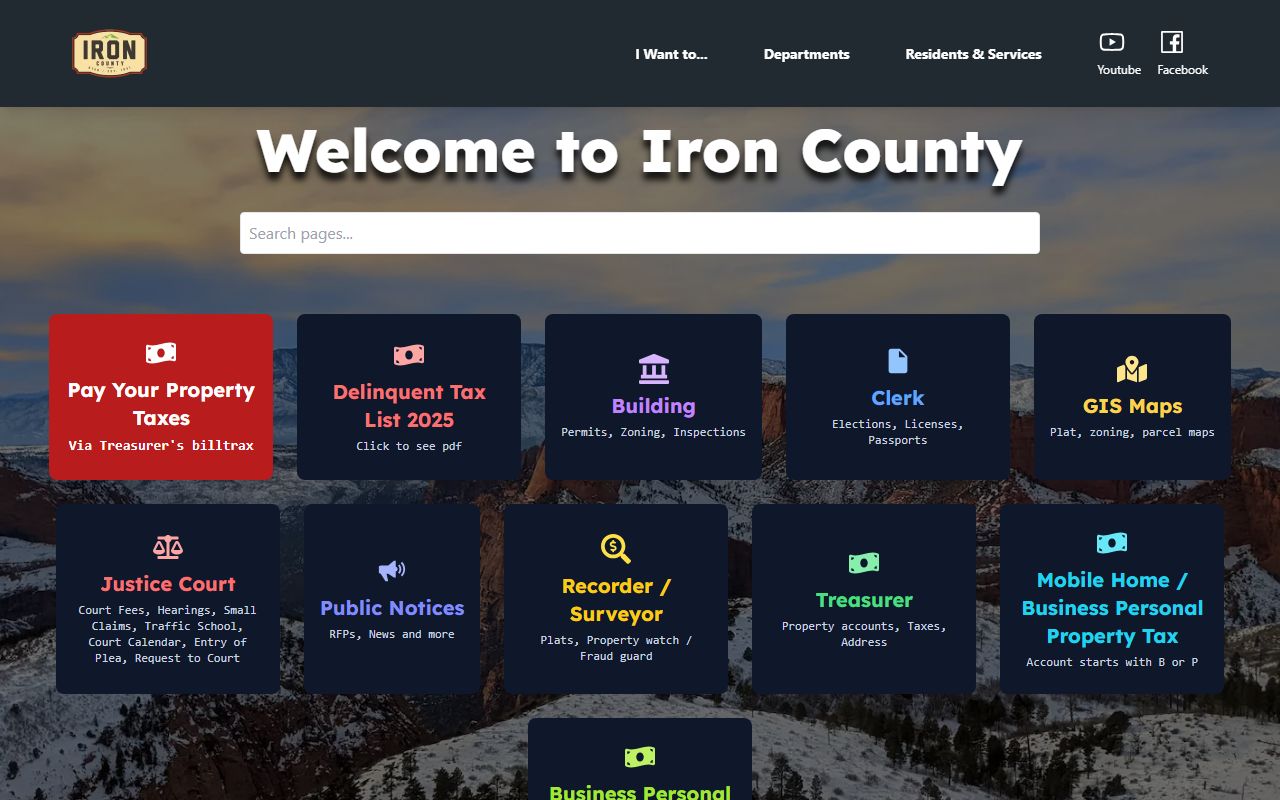
That page is the county navigation hub, so it is the best place to confirm that you are still following the official Iron County path rather than a third-party summary or a generic statewide page.
Cedar City and Iron County Marriage License Searches
Cedar City is the major city most people associate with Iron County, so it is a useful geographic anchor when you are trying to match a ceremony, a residence, or a family-history clue. The city website at cedarcity.org is official, but it is still a city site. That means it helps with local context, not with issuing the Marriage License itself. The marriage office remains at the county clerk in Parowan.
That distinction matters because people often search by the city name they know best. A marriage that happened in Cedar City still belongs in Iron County records, not in a city-level marriage system. Using the city site as a context check helps you keep the search correctly aimed at the county office that created the file.
The official Cedar City site at cedarcity.org gives the local-government backdrop that many family researchers need before they move back to the county clerk.
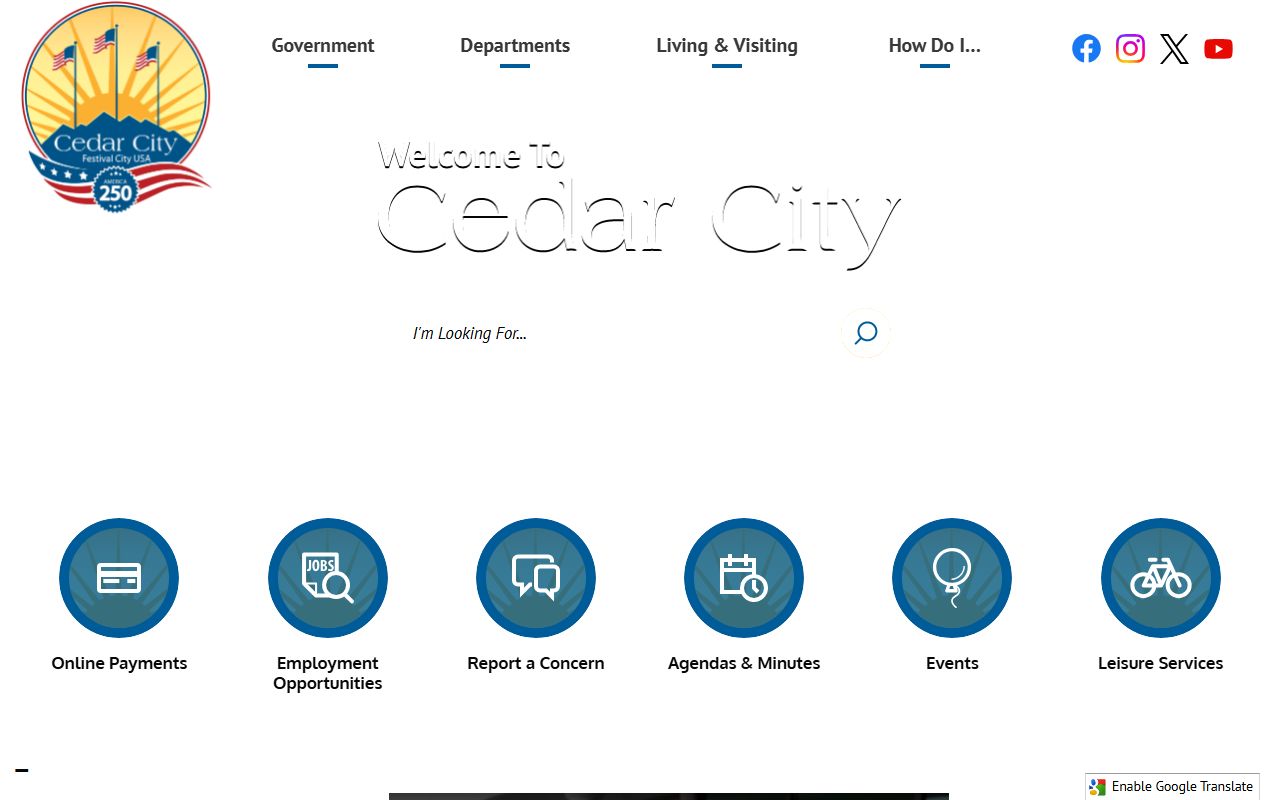
That city-level context is helpful, but it does not replace the county clerk. It simply tells you where the marriage search started geographically so you can finish it in the right county office.
Historical Iron County Marriage Records
For older Iron County files, the Utah State Archives is the best historical starting point. The general marriage records guide at archives.utah.gov/research/guides/marriage/ explains that most Utah marriage applications and licenses remained with county clerks, while some counties have historical copies or indexes in archival collections. That overview is useful because it tells you when to keep working with the county clerk and when to shift into archival research instead.
The county-specific archive guide at archives.utah.gov/research/county-records/iron is the official county-level directory for Iron County historical research. If you are tracing a marriage back several decades, that is the place to check after you have already tried the clerk office. The archives are especially useful when you need to know whether the record is still at the county, preserved in a historical collection, or represented by an index rather than a full image.
Older records do not always behave like modern digital files. A county search may still involve a manual look, a film reference, or a historical index entry, so it helps to keep the date range and full names exact. If the record is older than the live clerk file, the archive path can save you from assuming that every marriage record is online and fully searchable. It is not.
For a broader historical search, the Utah State Archives research portal at archives.utah.gov/research/ is the best official home base. From there you can move between marriage, court, and local-government guides without leaving the state records system.
Ordering a Marriage Certificate After the Ceremony
Once the Marriage License has been used and returned, many people need a certified copy for a name change, benefits, or family records. In Utah, the state ordering portal at secure.utah.gov/vitalrecords/index.html is the official online path for certified vital records requests. That does not replace the county clerk file, but it does give you a state-level route when you need a copy rather than the original application trail.
If you need the most complete local paper trail, keep the county clerk in the picture. The clerk office is still the source record for the license and the return, while the state portal is the place to check when you need a certified certificate. That difference matters because a county search and a state copy request are related, but they are not the same process.
Iron County works best when you follow the record in order: clerk office, valid license window, returned certificate, state copy if needed, and archives if the marriage is old enough to move into historical research. That sequence keeps the search focused and reduces the chance that you will bounce between offices without a clear answer.