
Search American Fork Marriage License
American Fork sits in northern Utah County, so a Marriage License search here usually starts with the city name and ends with the county office that keeps the file. The city site helps you sort local government from county recordkeeping, which matters when you only know the place and not the exact office. If you need a recent application, a copy for a name change, or an older record for family research, this page keeps the search pointed at the right office from the start.
Search Public Records
Where American Fork Marriage License Searches Start
The American Fork City Government gives you the municipal starting point, while the American Fork City Recorder keeps city records. Those pages are useful when you want the local government side first, but they do not replace the county office that issues the Marriage License.
See the Utah County homepage screenshot below for the county entry point.
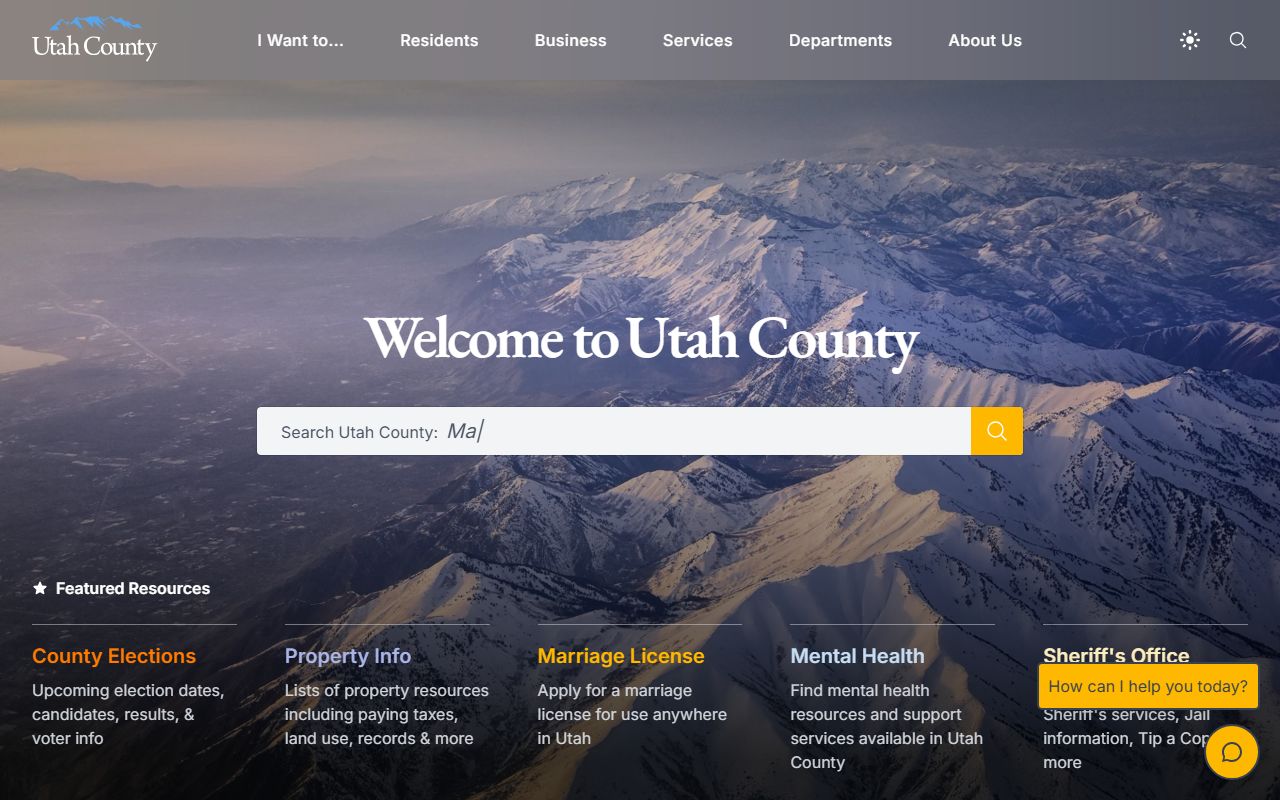
The county homepage helps you move from a city search to the office that actually keeps the Marriage License record. That is the step that matters when you are trying to find the right copy request or the right file trail.
American Fork residents often know the city and the neighborhood before they know the office. That is normal. The city clue still helps because it narrows the search to Utah County, but the county record is what later proves the marriage took place.
That distinction is useful when a search starts from memory rather than paperwork. A street, a venue, or a family story may tell you that American Fork is the right city, but the actual Marriage License file will still be sitting with the county office that issued it. Starting local is fine. Staying local is what keeps the search from drifting into the wrong branch of government.
Apply for American Fork Marriage License
American Fork residents apply through Utah County Clerk/Auditor, and the county's marriage page is the best place to confirm the current steps. Utah Code section 30-1-8 covers the certificate return, so the ceremony and the filing are part of one record trail rather than separate tasks.
The application works best when the names and dates are exact. The county uses those details to create the file, and the officiant later returns the signed record to the same office. If the marriage is recent, that means the record may not appear instantly. The file is only complete once the signed paperwork is back with the clerk.
Utah County's process also helps couples avoid unnecessary back-and-forth. A clean application and a clean return mean the record is easier to find later. That is especially helpful in a city like American Fork, where many people are searching after the wedding has already happened and they just need the official trail to match.
If you are trying to line up a recent ceremony with the file trail, think in stages. First the application creates the license. Then the ceremony uses the license. After that, the return makes the Marriage License part of the permanent county record. That order explains why the county clerk is the office to contact when the paper trail is incomplete.
American Fork Marriage License Records
Marriage records kept by county clerks are public records under Utah Code section 30-1-15, which is why a record search can move from a city clue to an actual county copy request. For American Fork, the county file is the one that matters when you need proof, a certified copy, or a clean index entry.
See the Utah State Archives Utah County collection screenshot below for older records and county index help.
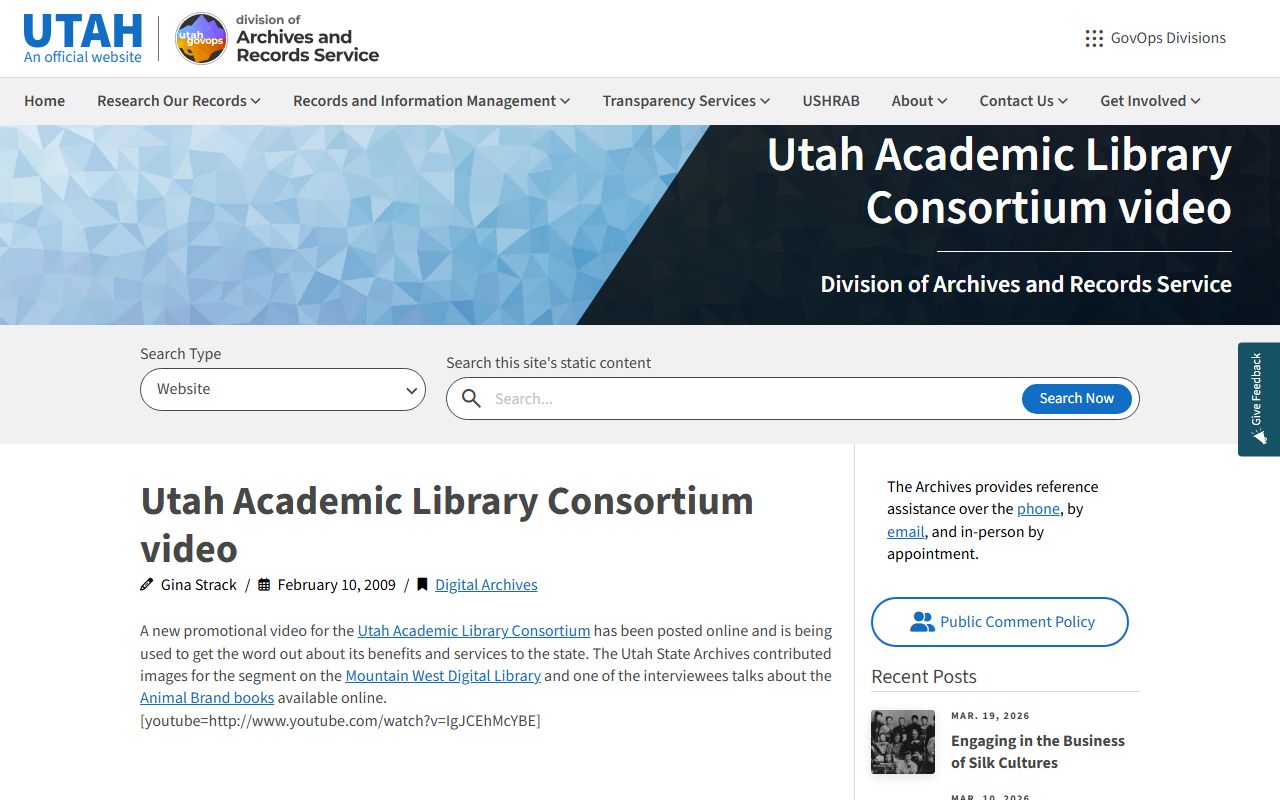
The archive trail helps when the county office does not have the fastest route to an older file. Utah County history is well represented there, and that can be the best way to find an approximate date or spell a surname the right way before you request a copy.
That public-record path matters for American Fork because city residents often remember the place of the wedding before they remember the filing details. The archive and the county office work together to close that gap. One gives you the older index and the other gives you the current record trail.
When those two sources agree, the next step is usually straightforward. You can move from the index to the county office with confidence and ask for the copy that matches the names and date you have already found. That is often faster than trying to guess the filing year from scratch.
Historic American Fork Marriage License Search
For older Utah County marriages, the historical path is often faster than guessing through a recent file search. The archive collection can help you get from a city name to a county index, and that is often enough to confirm the year, the spelling, or the couple's full names. Once you have that, the county copy request is much easier to frame.
Utah Code section 30-1-10 also matters here because it sets the 32-day use window for a Marriage License. For a recent American Fork search, that timing can explain why the file is not ready the same day as the ceremony. A short wait is normal, and the record becomes easier to trace once the return has been filed.
That timing rule also helps with older records in a different way. It reminds you that a Marriage License search is not only about the ceremony date. It is also about when the office received the signed return and entered it into the county file. Once you know that, the record trail feels a lot less random.
American Fork Marriage License Sources
The clearest route is the same one every time. Start with the city name, move to Utah County for the Marriage License file, and use the archives when the record is older. That keeps the search local and keeps the office trail easy to follow. American Fork gives you the place, and Utah County keeps the record.
When you keep the city and county roles separate, the search gets faster. The city pages help you locate the local context, while the county office handles the actual marriage file and the later copy request. That is the practical way to search American Fork records without drifting into the wrong office.
If you only have a date range or a family hint, that still gives you a workable start. The city name narrows the place, the county office narrows the file, and the archive path narrows the time period. Those three steps are usually enough to turn a vague lead into a usable Marriage License search.